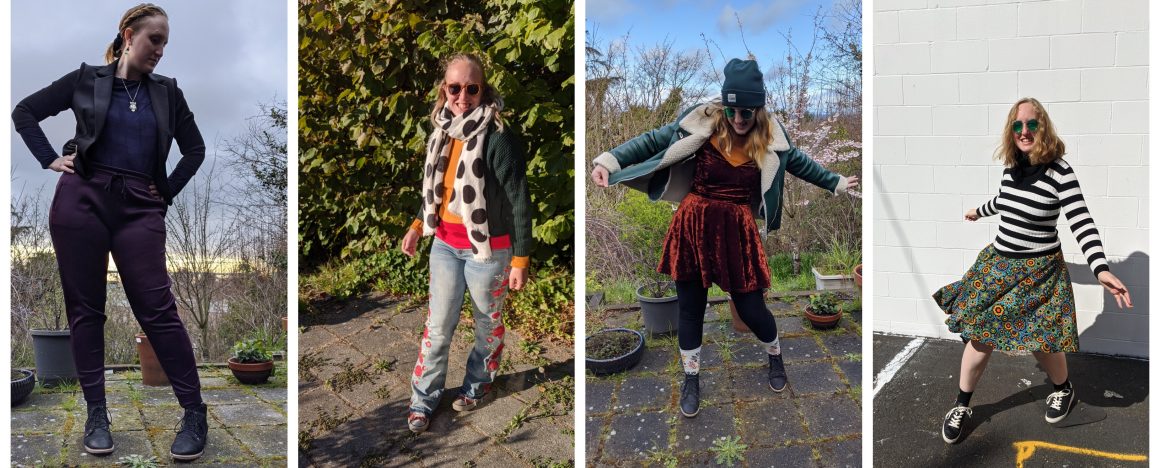
Cleaning Out Your Closet: Common Pitfall Phrases

I have noticed in cleaning out my own closet (and helping others clean theirs) that we tend to use the same phrases over and over again. These phrases initially seem like a reason to keep an item, but are actually red flags that it is time for these items to go. I’m hoping that addressing a few of them here, with some stories of my personal struggle, will keep you from falling for the same mental traps that I do.

  • “I really should wear this more” // usually this phrase comes out when we have dragged some item out of the depths of a pile. It is something we have not seen in a long time, but we remember liking it?
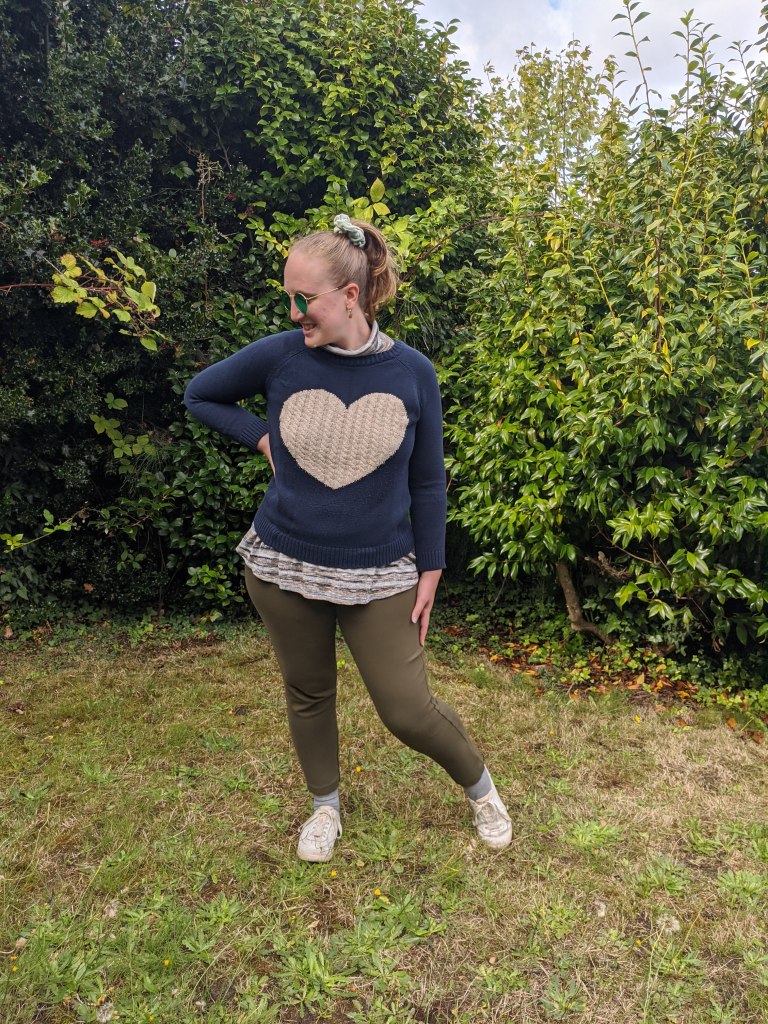
Every time I pulled this heart sweater out to wear it, I thought “I really should wear it more” but then I would wear it and remember why. It is just not very comfortable, fits a bit tight for my taste, and the sleeves always left painful imprints on my elbows. Yes, it was cute, but I will never reach for it over my other more comfortable sweaters. So this most recent cleanout, this sweater was gone.

What you should do: when you have uttered this phrase, that doesn’t mean an immediate no, but you should take a minute and think long and hard about the item. Why don’t you wear it more? Why was it in the bottom of this pile? Often the reason we don’t reach for items we can clearly see is the same reason we don’t search for items that are long forgotten. Either they don’t fit, or they aren’t our style anymore, and just in general they aren’t serving us. If you get to the end of this thought process and still decide to keep the item, then make sure it is in a prominent place. If you haven’t “worn it more” by the time your next closet clean out rolls around, then get rid of it.

  • “It was a gift!” // usually happens when you come across a thing that you do not actually enjoy wearing, but a person that you care about gave it to you so you feel guilty for getting rid of it.

This red dress was a matching set of dresses my grandmother picked out for celebrating the 4th of July one year. I liked it in theory – I am generally into oversize printed dresses as layering pieces and the ruffle at the bottom could look cute under a sweater. However, the few times I did try to wear it again I just didn’t like it. So in the next round of cleanouts, this dress found itself in the going pile.

What you should do: when this comes up, ask yourself why you are really keeping this item. Is it serving you or is it taking up valuable storage space, and cluttering the things you enjoy wearing? Will the person remember that they gave it to you and ask about it? If you aren’t going to wear it, and it is likely that the person will not remember giving it to you, then you should get rid of it. If you just cannot bring yourself to get rid of the item, try finding a storage solution that doesn’t keep it out in the open.

  • “I used to wear this all the time!” // usually occurs when we see an item that we used to love, but have since stopped wearing for whatever reason. We eagerly try it on, and often quickly discern why we stopped loving it.

This purple shirt with fun sleeves was a hard one to get rid of. In fact, for me the “used to love it” line is the most dangerous. It is hard for me to admit that a thing just does not work for me anymore. This shirt was so fun, a great color, and gave me all the French provincial vibes I adore but when I tried it on recently it was just. too. tight. It was uncomfortable to wear, and required layering underneath since it’s so thin. I knew that I wouldn’t wear it anymore so it was time to go.

What you should do: this phrase is an acknowledgment that you used to love it, but clearly don’t wear it anymore. Whatever the reason – if you don’t reach for it over other items in your closet then you don’t need to keep it. Unless it is something unique, timeless, or valuable, I would say “used to love” items are ready to go. If they are still in good condition then someone else will love them just as much. If they are falling apart beyond simple repairs, then they have served their time.

  • “Oh this would be so cute if…” // usually shows up when we find an item that we’ve been meaning to edit for a long time. A shirt we’ve been meaning to crop; a skirt we wanted to hem; some pants that we wanted to adjust the waistline on.
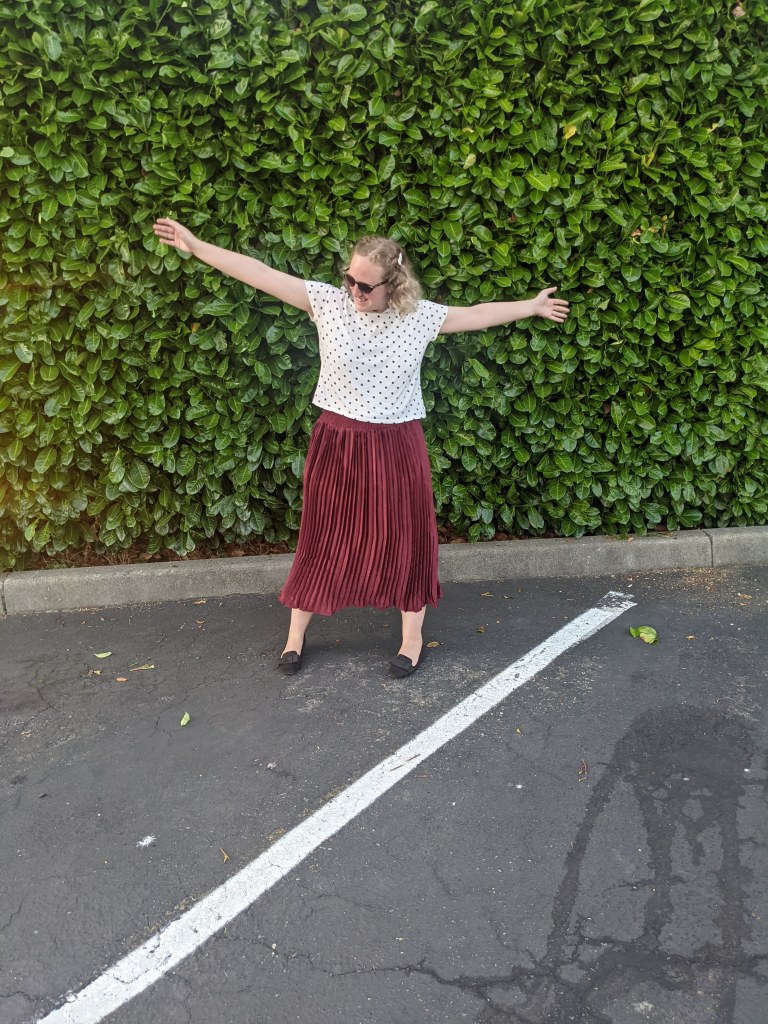
Ah this skirt. I bought it on a last chance sale (i.e. non-returnable) thinking that it was only a few inches too big and I could easily fix it. When the skirt arrived, I realized a few inches was more like 5 inches where I wanted it to sit. After my first mend, I still wasn’t happy with it and I knew I wouldn’t want to put the effort in to mend it again. Someone else will be happy to have a skirt that fits them, and I don’t need to be giving space to an unfinished project.

What you should do: with these items I give it the “right now” rule – am I willing to sit down and fix this right now? If I am already doing a closet clean out, then I know that I have the energy and motivation to complete the task, and often simple edits I can whip out in that moment. If I am not willing or able to do it right now, then it is time for it to go. If right now doesn’t work for you, give yourself a time limit that does. Maybe until the end of the week works better for you. A time limit is the key – these items need an expiration date. Unless you’re a seamstress regularly sewing and mending items, the likelihood that this will continue to be an unfinished project taking up space is high. Make peace with the loss and move on.

I also want to say about this line — if the modification is to your body and not to the garment then gone it should be. “This would be so cute if I was more tan” or “… if I was thinner/thicker” means that the piece was not made for you, is not serving you, and needs to go. Clothes should fit you, not the other way around, and all bodies are beautiful and valid as they are 🙂

  • “I spent so much money on this…” // usually comes up with an item that we regret buying. Either it was an impulse buy, a trendy piece that didn’t work out, or a vintage/thrifted item that was ‘such a good deal’ in the store but not actually right for you.
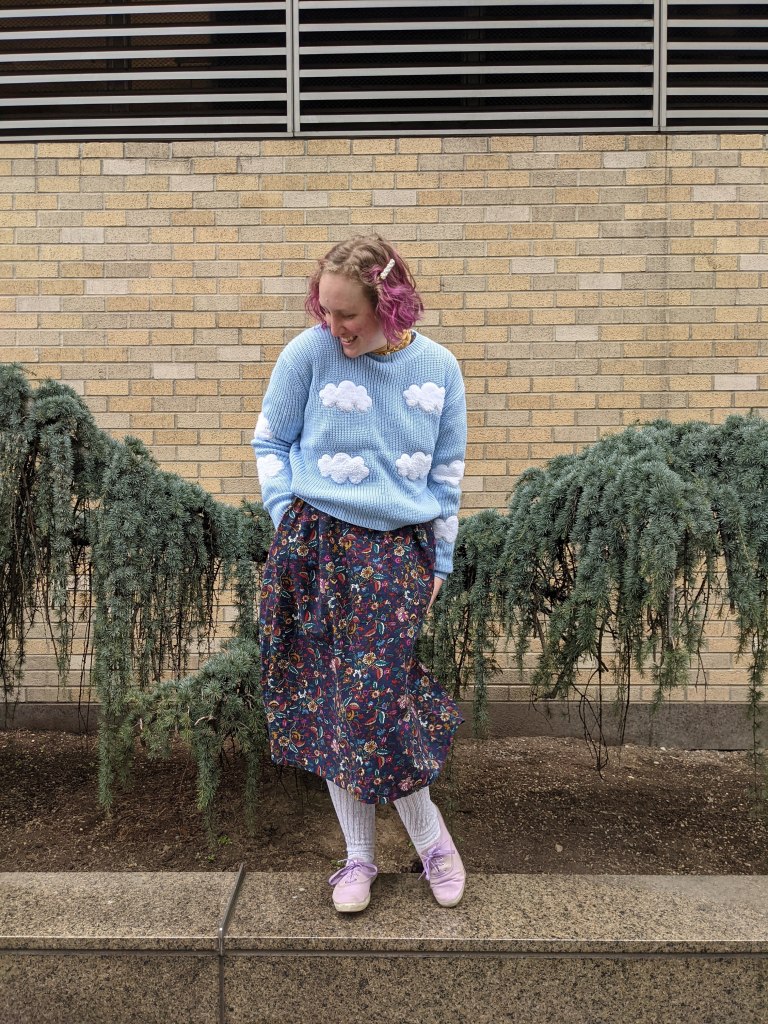
THIS. DRESS. AAHHHHH… So I don’t even have any pictures of just the dress. I originally purchased it from someone who made it for me but the sizing was off. So I purchased it again, and sent them measurements, hoping that it would fit better. The new one did fit better, but I realized the the style was not working for me. I spent so much money on these two basically identical dresses that just didn’t work out. Time to cut my losses and let them go to others who will like them more.

What you should do: like the items above, you might just have to make peace with the loss and move on. There is a reason you don’t wear these items enough to justify the cost; the guilt is a red-flag in and of itself that this item is not serving you. The goal of a closet clean out is to have readily available the pieces we love to wear, and that make us feel good. Items that bring up guilt don’t accomplish that goal. Perhaps you can list it online and recoup a bit of the cost? Or take heart in the fact that while you don’t love it, someone else certainly will.

  • “Oh, this actually fits!” or “Well, it fits.” // usually happens when we try on an item we initially wanted to get rid of; the surprise is because we don’t actually wear it that often.
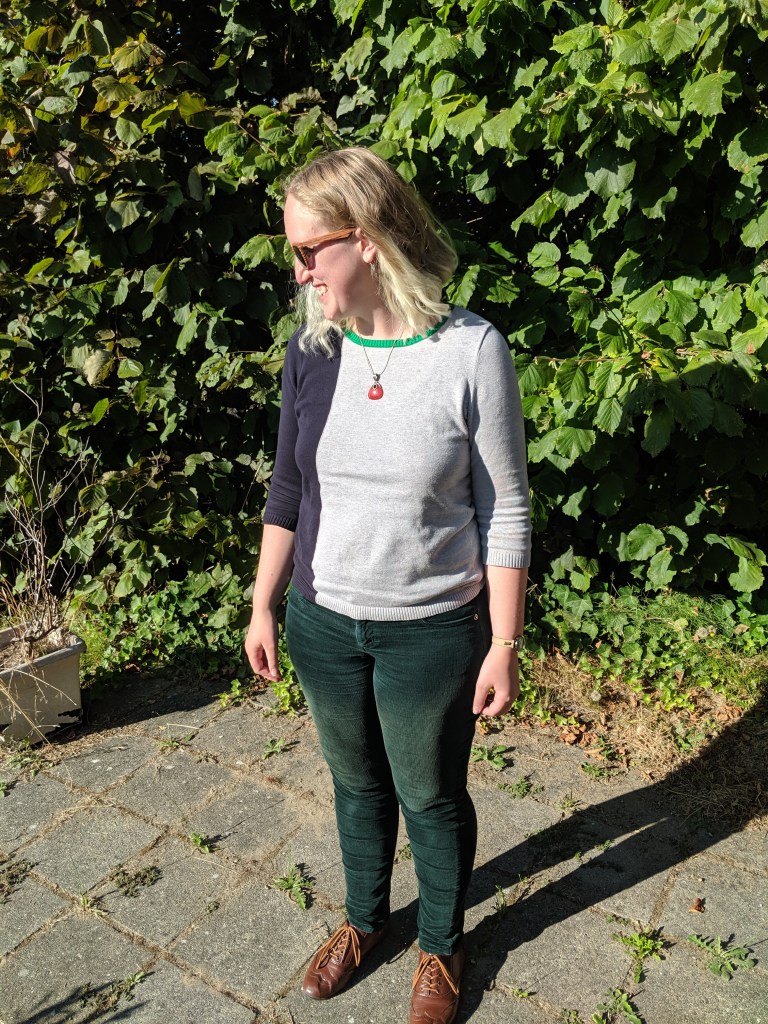
I owned this sweater for a long time because it fit me really well and I liked it in concept. However, I never wore it for various reasons – it was hard to style, it was a bit small for me – but honestly I just did not like it as much as I thought. It was not my style. So while it passed many cleanouts because it did fit me well, I finally gave it up. Someone else will love this sweater and wear it all the time, no need to it to be taking space in my closet.

What you should do: This is a trick of the mind – we think because it fits that means we should keep it but fit isn’t the only reason that an item deserves a spot in your closet. Maybe it isn’t really your style anymore or doesn’t fit your current climate or lifestyle. Like the things we used to love, these items end up cluttering the visual space in our closet and hiding the things we really love to wear. There is a reason you didn’t know that it fit – and it’s probably time for this item to go.


Often we know as soon as we see an article of clothing whether it should stay or it should go. I am hoping that recognizing some of the phrases in you hone in on your instincts and curate a closet that makes you excited to put on your clothes in the morning. After all, clothes should make us feel happy and confident – not guilty or uncomfortable.

What are some common pitfalls in your closet clean outs? Do you recognize any of the above phrases? Did I miss any the should be addressed? Let me know in the comments below.

How To: Thrift vs. Consignment

As sustainable fashion becomes trendy, secondhand clothing is having a major moment! Rifling through clothes previously owned by others and finding the perfect thing at the perfect price is such a rush! Leaving the store with a bag of new goodies and knowing that you haven’t fed more money into fast fashion certainly helps as well.

A while back, I was bonding with an acquaintance over our love for thrift shopping. We decided that we must go together!

So she picked a couple of stores, and we headed out on our thrifting adventure. Boy was I surprised when we walked into a consignment boutique instead of a thrift store like I was expecting. When we’d talked, I thought we were on the same page! After attempting to explain the error to Oliver, I realized that a lot of people aren’t fully aware of the differences.

While for the most part, it’s not a big deal, there are some key differences which could cause a problem for your shopping or donation adventure!

THE BASICS

Thrift Stores:

  • get their clothes and other items as donations for free
  • often have cheaper pricing
  • quality of clothing is not guaranteed
  • styles are dependent on location/clientele
  • offer a wide variety of items in one location (clothes, furniture, home goods, etc.)
Thrifted pieces: the sweater and the jeans.
Basics, not particularly interesting brands, and purchased for under $20.

Consignment Shops:

  • pay compensation for their donations
  • usually have higher pricing (though still far below market for new items)
  • quality of clothing tends to be higher
  • styles dependent on curator and current market demands
  • often specialize in one type of item (clothes or furniture or home goods, etc.)
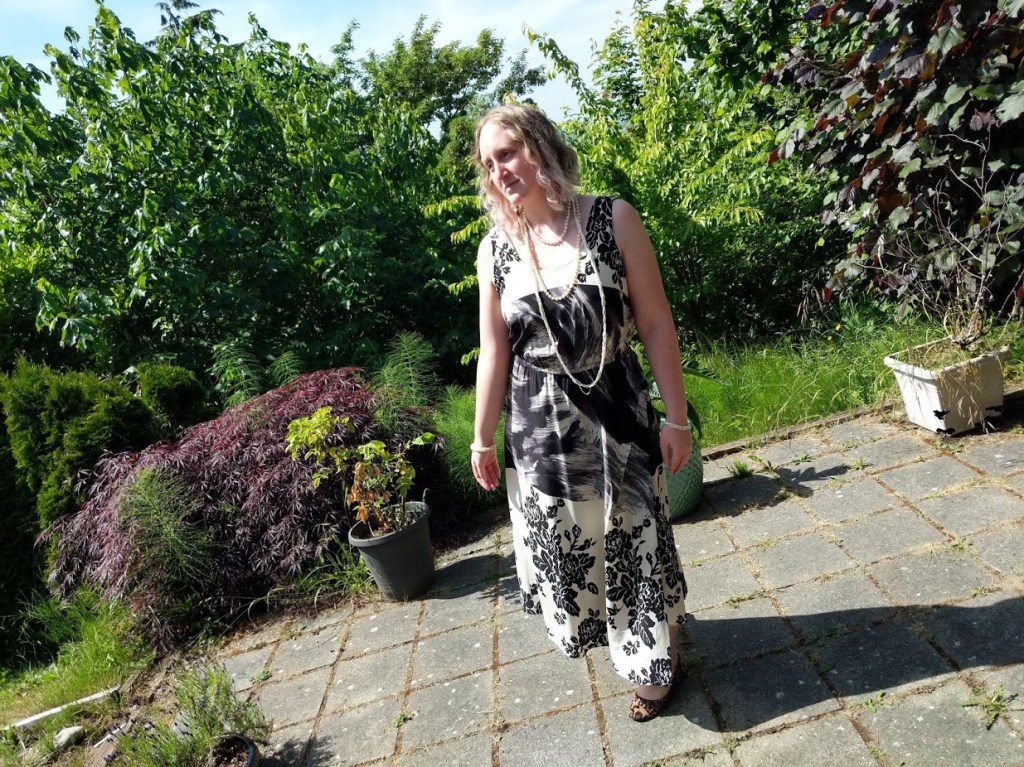
Consignment item: this lovely dress.
Quality fabric (100% silk), designer brand, purchased for $45.

It’s helpful to think of consignment shops as more like a museum and thrift stores as a gift shop: museums are curated quality items while gift shops can vary widely in price and quality. 

Thrift stores and consignment shops serve different purposes for different shoppers, so keeping in mind the key differences listed above can help you find exactly what you’re looking for. Some good guiding questions:

  • Are you looking to find a good price on a designer item?
  • Are you looking to save as much money as possible?
  • Are you expecting monetary compensation for in style pieces from brands?
  • Are you trying to get rid of as many things as you can?

When shopping, I tend to prefer consignment for fancier things like event dresses because they will have higher quality and often more modern or in style items.  I also look here for coats and shoes which I consider investment items – items in my wardrobe that I want to last a long time or survive a lot of wear and tear.

On the other hand, I tend to prefer the thrift store for general clothing (sweaters, t-shirts, jeans) as they will have a larger selection that isn’t limited by modernity, trend, or brand. I also find that thrift stores are better for costumes – you’ll be able to see a much wider variety of things and won’t spend as much money on something you will likely only wear once.

That being said – you can’t go wrong with secondhand clothing – especially gifts!

Coat: gift from a friend! (though this would have likely been consignment if I’d purchased it)
Pants: thrifted for $5
Joy of Looking Fabulous: priceless 🙂

Have you ever gotten mixed up in the wrong type of store? Do you have any other questions or information about the differences between thrift and consignment? Comment below!

How To: Shop at Thrift Stores

As tempted as I am to start this post with a quote from Macklemore’s song “Thrift Shop,” I won’t. I will, however, explain that the feeling of the song (and the reason it quickly became popular) is exactly why so many people love shopping at thrift stores. The thrill of the hunt, and the quest for a bargain can be intoxicating. It can also be why so many find it difficult and laborious.

One time, while flipping through the clothes in a local thrift store, my mom stopped and looked at me.

“I will never understand how some people look like they shop at the thrift store. I shop at the thrift store but I don’t look like I do.”

It took me a minute but I realized exactly who she means – the people who pick out the ill fitting denim shorts that look like they are from the eighties and pair them with a t-shirt for a resort they’ve certainly never been to. The people wearing the button down denim coverall dress that goes to their ankles without a hint of irony. It is a look that I think most people dread (though if it’s your thing – rock it!) and I believe is another common reason for hesitation to really enjoy thrift shopping.

Yet thrift shopping can be a beautiful thing for both your closet and your wallet. It’s no secret that thrift stores offer clothes at an extreme discount, since they are all donated. A thrift store can be a great place to upgrade your style if you’re on a tight budget, try out a trend without investing too much money, or fill out basics that you wear a often.

I’m hoping that these tips will help make thrift shopping into something that is easy and enjoyable for anyone willing to try.

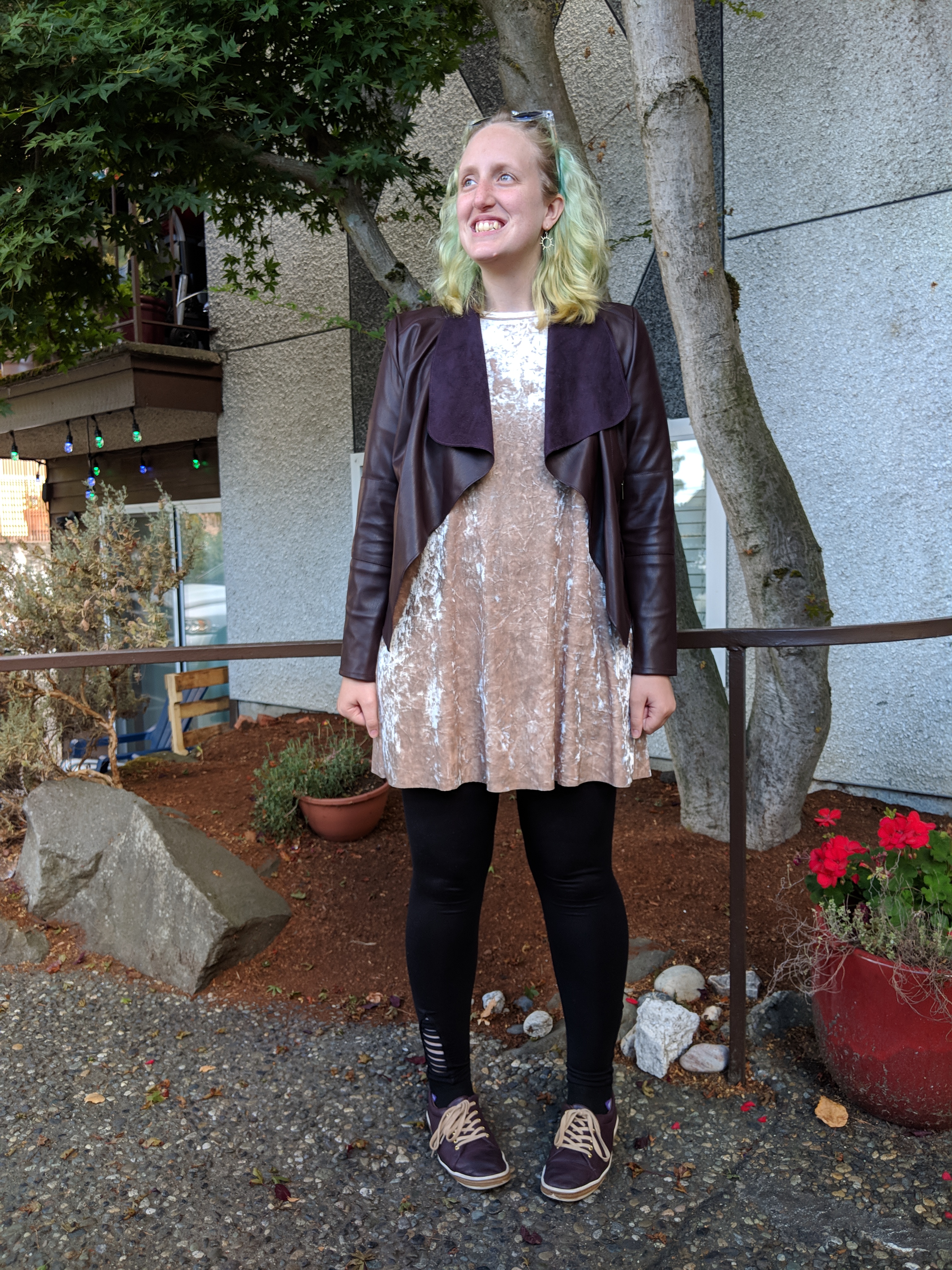
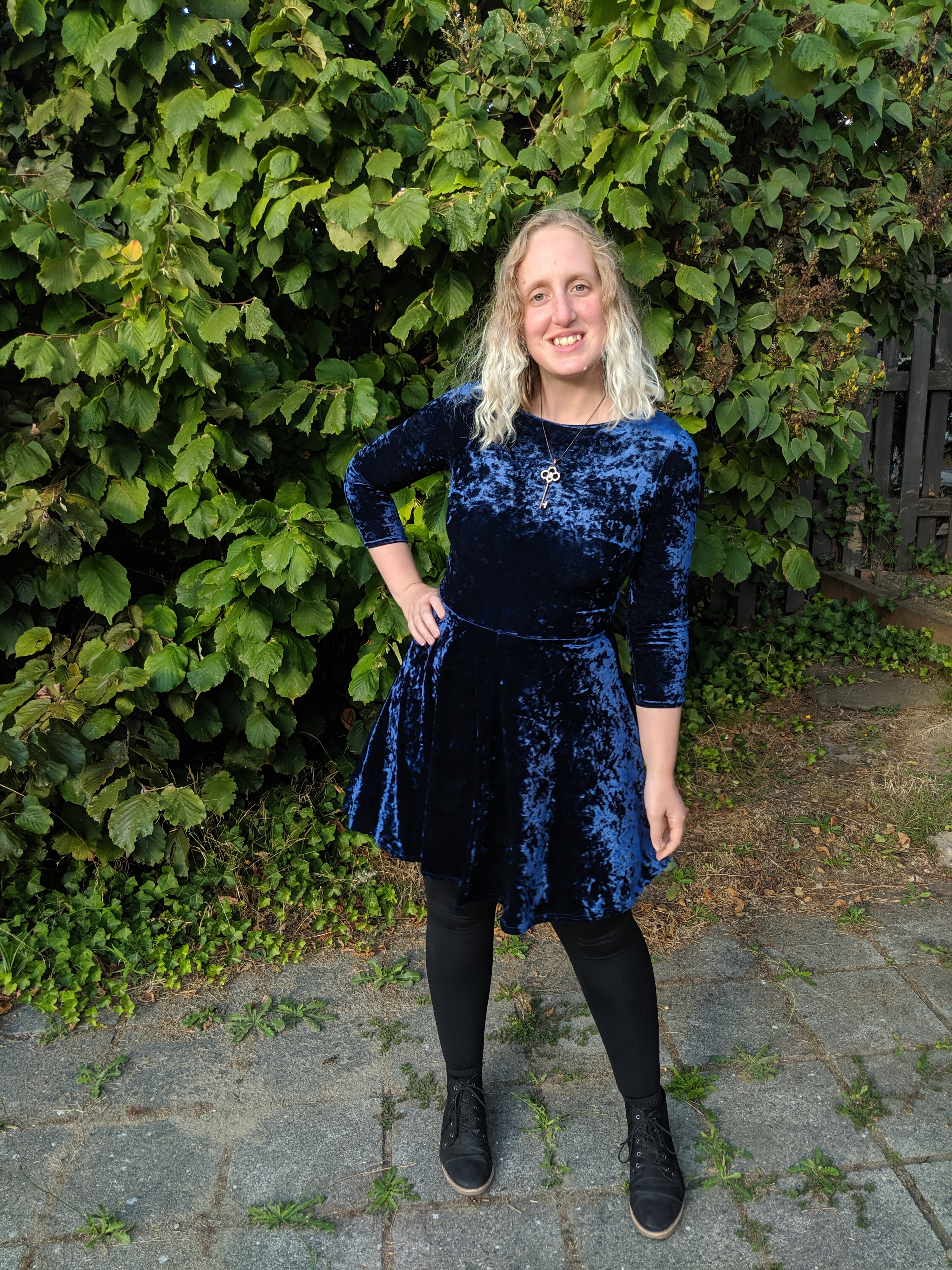
thrifted items pictured: purple leather jacket, gold velvet shirt dress, blue velvet dress

—–> Tip One – Have a Broad Goal in Mind

Goals or quests or things you’re hunting (or whatever you call it) make thrift shopping fun and provide structure and purpose to a place that’s built around chaos. Many shoppers suffer from two common thrift goal problems. The first set has no goals at all, and often leaves the store regretting half the things they purchased. The second set has goals that are too specific and leave empty handed and frustrated. I like to have two or three main goals that I keep pretty broad: comfortable dress pants, black sneakers, and chenille sweaters have all been thrift shopping goals of mine in the past. Sometimes I find what I’m looking for, and sometimes I don’t, but making the goals broader gives more room for success. Having multiple goals helps too, because if you realize it’s just the wrong time or place for one item, you still have other things to look for and it won’t feel like such a waste of time. Keep an open mind though – if you’re too laser focused on your goals you might miss something amazing.

—–> Tip Two – Size Is Just A Number

Never has this statement been more true than when you’re at the thrift store. If you struggle with sizes, try starting a thrifting experience with self acceptance – this is who I am right now, and that’s okay – because starting positive will color the experience in a positive light. Also, remember that at the thrift store you’re working with sizing through the ages. A 10 in the seventies won’t be the same as a 10 today. Not to mention that sizing can change drastically from brand to brand. I start with a base range of medium for shirts and 10-14 for pants. If I try on a bunch of pants or shirts in a row that don’t fit, then I expand the range in whatever direction I need. Remember: no one will care what the number says if the clothes fit well.

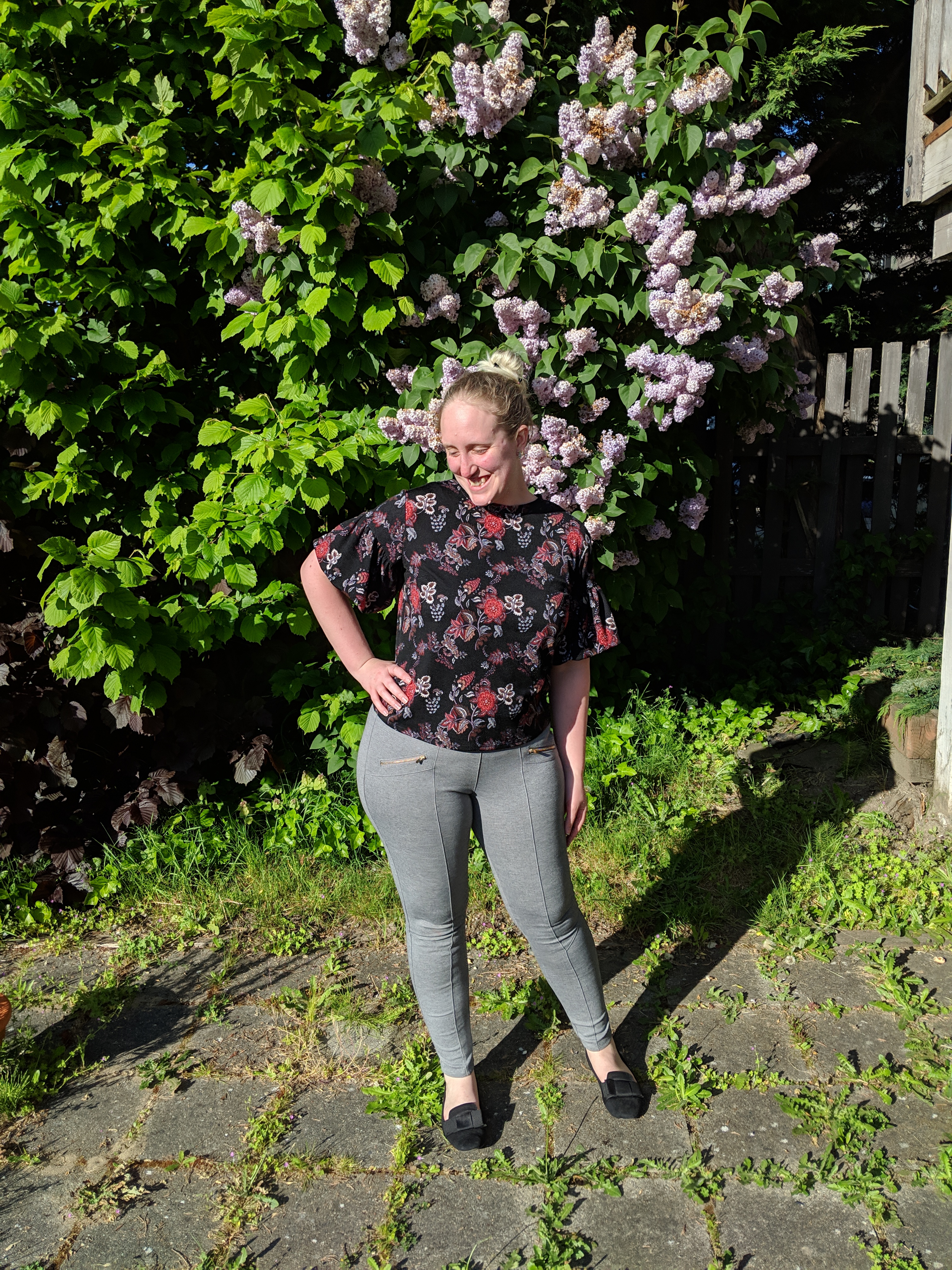
thrifted items pictured: grey pants, red sweater, green pants

—–> Tip Three – TRY EVERYTHING ON

This is probably what I would call the golden rule of thrift shopping, so I will say it again – try everything on. I don’t care if it’s not your style, or your size, or you don’t think it will work, or whatever… you really do not know for thrifted items until you try them on. So many of the items you pick up and laugh about or scoff at will end up being favorites, and just as many pieces you think you love might not work. If it catches your eye then it’s worth trying on.

—–> Tip Four – The Buddy System

Thrift shopping generally works better if you bring a friend (or a few) for several reasons:

  • having someone to chat with makes sifting through the piles and piles of things less of a chore
  • a friend makes a good editor to help you if you are on the fence about an item. Sometimes even just saying your reasoning for or against an item out loud is enough and this comes off a lot less crazy if you’re with someone.
  • more sets of eyes means higher likelihood that you will find what you are looking for.

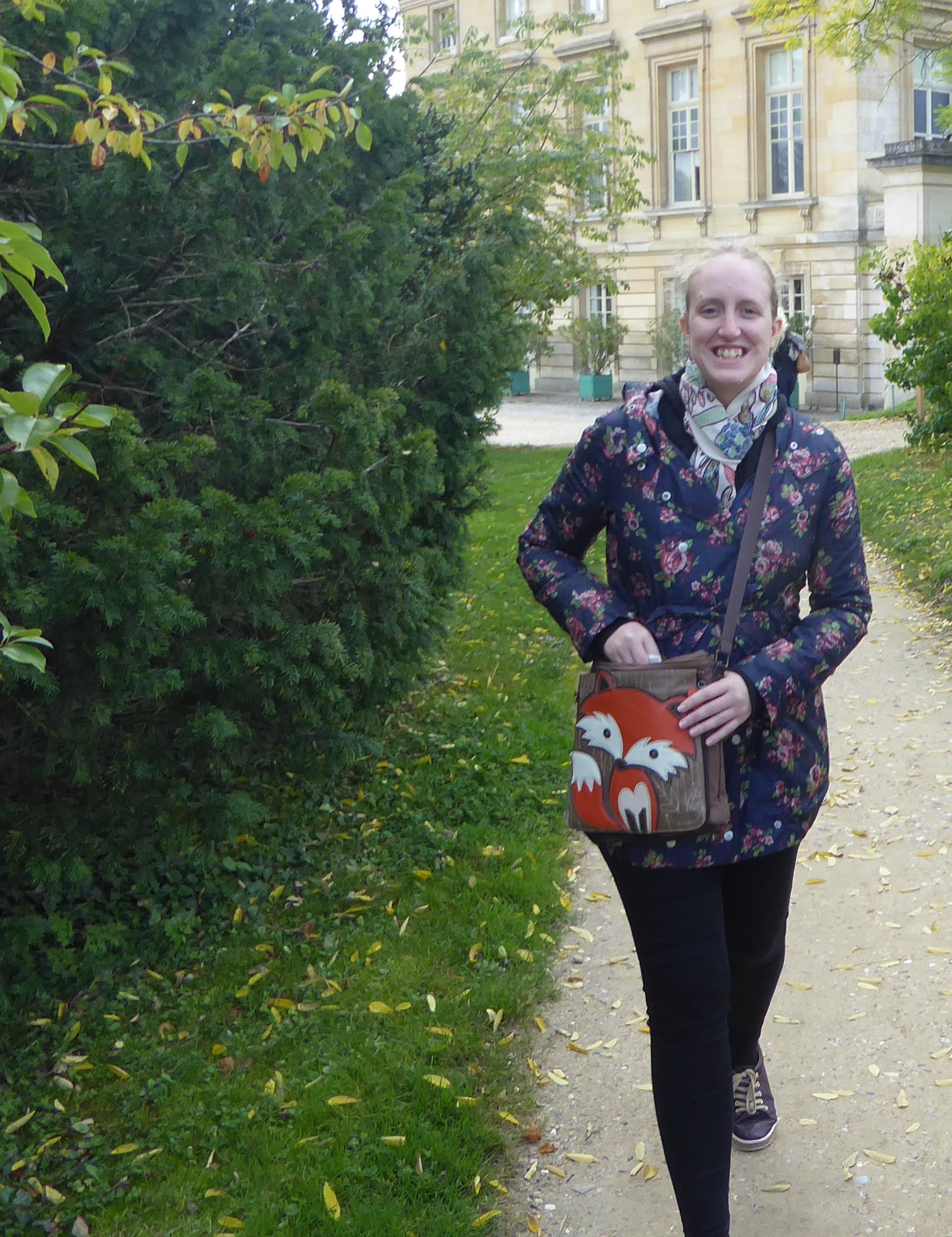
thrifted items pictured: teal sweater, purple skirt, flower raincoat

—–> Tip Five: “But It’s Only $3!”

This is by far the greatest thrift store struggle and one that leads to the most post-thrifting regret: buying an item because it is cheap. When an item of clothing is surprisingly cheap, a switch flips in our brain and we start to rationalize why it might be worth it. This is the reasoning behind the impulse shelving at stores – it’s easy to throw a bag of chips or candy bar in at the last minute because it’s only ___ amount of money. This is even more problematic when it comes to clothes, especially if there’s one thing we already like about an item. Here’s an example from my most recent thrift:

Sifting through the sweaters, I find a cardigan in a light peach color made of suede. The garment fit okay, and it was so soft, and it was only $3, and I was so tempted to buy it.

I eventually decided against it because a) I don’t really wear suede, b) it’s not a color that goes with anything else I own, and c) I knew I wouldn’t wear it

When you’re stuck in the impulse, it helps to ask yourself some key questions that weed out things that just won’t fit in your wardrobe. Here are some of the key questions I use:

  • Does this go with things I already own? try to mentally create three outfits
  • Do I actually like this color/style/fabric?
  • Is this an item I usually wear? i.e. if you’re always hot but tempted by a coat, you should probably put it back
  • If I was exhausted, would I pick this item to put on?
  • Where/when would I wear this item?

If the item misses three or more questions in a row, then it’s not worth it.

Any of these tips helped you? Feel like you’ve tried all these and are still stuck? Have any tips of your own? Have a specific question about thrifting? Feel free to comment below!

How To: Shop on A Budget

“Oliverrrrr” I call out, laying on the bed and looking at our closet. He comes to the bedroom.

“I hate all my clothessss” I cry, with a dramatic flourish of my arm toward the closet and dresser.

“What about that colorful striped sweater you love?” He asks, confused.

“Yes, but I already wore it this week, and I wear it all the time, and I hate everything else.”

Me, literally all the time.

This happens to me roughly every three months. It’s strongest at the end of winter, when I am so very tired of being cold all the time, but definitely occurs in varying doses throughout the year. Usually a conversation like the one above will happen, and then Oliver will kindly remind me that we are saving for XXX. This year it’s our wedding and honeymoon. In the past it was some other big exciting vacation, or moving to a new place, or to buy furniture for our apartment, or many other very logical things people save for.

This often means that my budget for buying new clothes is roughly $100 (and often much less). On top of that, I’ve recently set myself with a goal of upgrading my wardrobe from cheap, fast fashion pieces to quality garments that will last. This can make shopping super difficult. Here are my tips and tricks that help me keep my closet and style fresh without breaking the bank.

—–> Step One: Thrift What You Can

I will eventually write a longer post on how to shop at thrift stores, because these can be essential when the fashion duldrums set in. While $100 might not last very long in the mall (or will get lost in fast fashion pieces that will fall apart the minute you wash them) it can buy you several quality items at the thrift store. I find this especially useful when I’m looking for pants because I’m not relegated to a few different brands or styles – and pants can be so expensive in up front cost to get something good. Plus, if you do end up with some fast fashion pieces, they cost you $3 instead of $25 and you’ll feel a lot better when they inevitably fail you.

—–> Step Two: Shop in the Off-Season

You know when swimsuits are super cheap?? August. This is a really great strategy for splurge items, where you know exactly what you’re looking for, or seasonal pieces. Give your heavy coat another season, and then in March start scanning through end of season sales. Most brands and stores start transitioning into the next season about one-two months early, so keep this in mind. It’s also a useful trick when you want to get something in a certain brand but don’t have the money to do a full buy in. BE WARNED — sales can be a huge pitfall. This isn’t a ‘trick’ if you’re scanning every sale for something you might like. Be very focused on what you’re looking for, and intentional about when you’re shopping, or you’ll spend money you don’t have on things you don’t need and be unable to afford garments you really do need to fill out your wardrobe.

—–> Step Three: Fast Fashion for Trendy Items

If you’re looking for something that’s super trendy now, but might not be wearable later, don’t splurge a bunch of money on it, especially if it’s out of your normal style or comfort zone. For these items, say trendy purses/bags, funky unusual shoes, or trendy patterned clothing, you will be fine finding something at a fast fashion store (Target, Forever21, H&M, etc.). The smaller price tag lets you try a trend without feeling like you wasted your money if you hate it, and if you end up loving it, you can always upgrade later when your budget has had time to grow.

—–> Step Four: Don’t Be Afraid to Online Window Shop

… That’s right, online! What I do is while mindlessly scrolling through some website that caught my eye, I’ll save links to items that I like in a specific folder. Then come present-giving events, I have lots of different links I can send to people of things I already know I want but can’t necessarily afford to buy for myself. These links also give me a good idea of what I am really hunting right now. Say that all of my last four links were a specific style of hoodie, then I know that is an item I really want to search for. Also, a lot of sites have an option to email you alerts when they go on sale or come back in stock. For an item you really know you want, this is a great option. Finally, this step helps you slow down on impulse purchases. If you get in the habit of saving a link instead of clicking purchase, you’ll end up saving money too. Give it a week and if you still can’t get it off your mind, then see if you have enough money to buy it.

—–> Step Five: Watch Impulse Buys

While this sounds more like an entry on “10 Ways to Cut Coffee and Save!!!” I promise this is a real tip for finding clothes on a budget. Learn to recognize your impulse buys and stop them before they happen. I find that trying items on helps a lot. As soon as I start making excuses for an item – “Oh, it doesn’t quite fit on my waist but it’s something that I’ve been looking for!” – I know that I really should put it back. I also know that if I texted an item to a friend, it’s likely because I am on the fence. If you’re on a tight budget – on the fence means no, every time. You don’t have the money to waste on maybe. Learn what your triggers and habits are: do you always fall for fall colors? Do you get sentimental around hats? Do you have a weak spot for sale prices, even if they aren’t that good? Once you’ve identified problem behaviors and thoughts, you can take measures against them and keep your bank account ready for the items you actually want.

—–> Step Six: Have Patience & Save Up for Important Pieces

I will write a larger post going into more depth on what items it’s worth splurging on and what items you can afford to buy cheaper. But here’s my golden rule: if it’s something really central to your style or that brings you a lot of joy when you wear it, then it’s worth the patience to save up some money and find the right one in a good, quality brand. Whether this be shoes or coats or sweaters or jewelry or jeans… if it’s important to you then it will be worth the wait, and the larger price tag. I have found throughout my life that the items I splurge on, especially when money is tight, end up being items that I wear every single day.

Any of these tips helped you? Feel like you’ve tried all these and are still stuck? Have any tips of your own? Feel free to comment below!

How To: Pack for Travelling out of a Backpack/Carry On

Packing for travel is hard.

Packing for travel when you like to be stylish is even harder. You want to look great, you want to feel great, and you want to be prepared. So when my love suggested we only use carry-on size backpacks for our travels, I was stunned. Our first trip abroad was coming up, and we would be gone for 14 days.

Me with my travelling backpack entering Nuremburg, Germany

Of course I managed to get everything packed. Since this trip, we’ve had many others, and I always find a way to pack what I need in the backpack (see my full review of the backpacks we use here). This is not going to be a list of the “essentials” that you should bring – you’ll find plenty of those about the internet (the one I am currently living for here).

Another note before we begin: I’m not a makeup person, and my body care needs are minimal at best. Some things we even just buy while we’re abroad to save space. If you do need space for these items, keep that space in mind while working through packing process below.

THE PROCESS

Know Your Trip

You are going to need to know your upcoming trip inside and out. This will help narrow down things while you are packing. Constraints of the location and planned activities might require certain pieces. Are you going hiking or footing it through cities? Will it be hot or cold? Will it be wet or dry? Are you attending any fancy events or mostly touring about? Answering these basic questions sorts out a lot of more specific items. For example, you won’t want to pack a velvet dress if you’re spending all of your time camping in the mountains, or you probably won’t need heavy hiking boots if you’ll be in the city the entire trip.

S H O E S

A bad pair of shoes can ruin even the best of trips. When you’re packing in a backpack or carry on, your space limited making shoe choice critical. For a two week vacation, I pack two pairs of shoes.

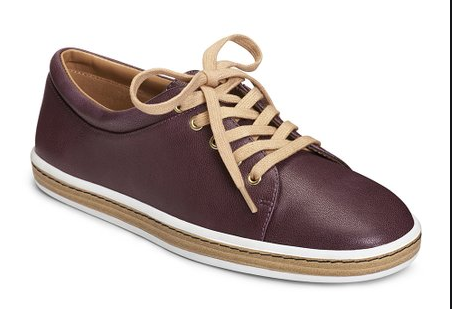
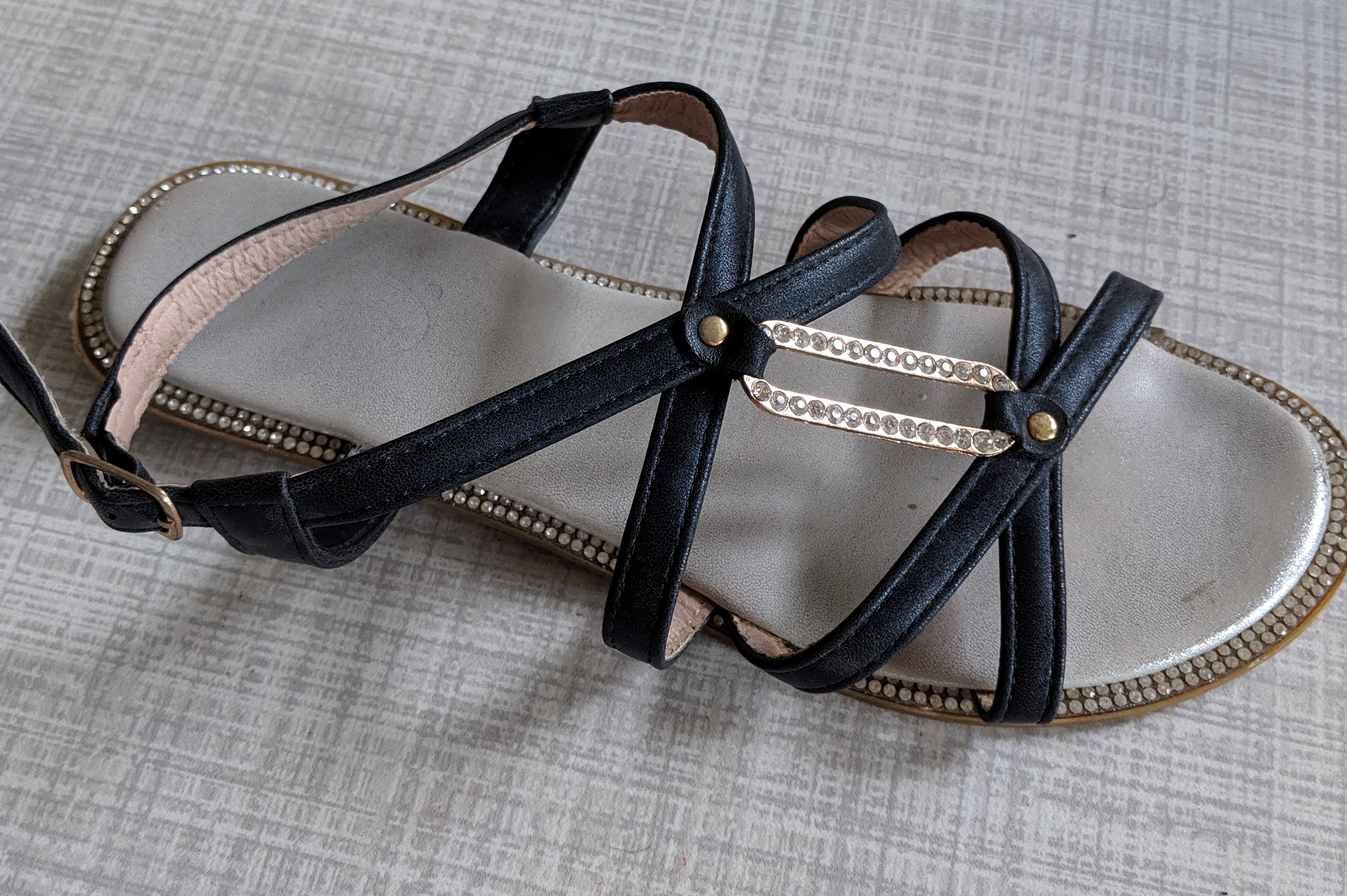
Trip One – Paris & Italy: I brought my wine colored Aerosoles sneakers and a pair of black strappy sandals

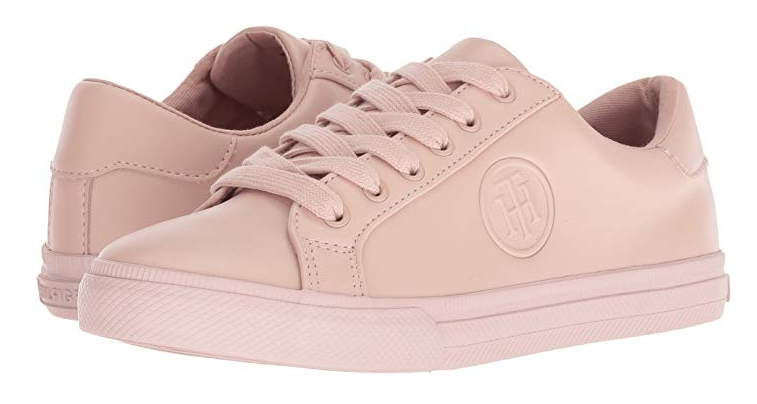
Trip Two – Germany: I brought the Aerosoles sneakers again and a pair of dusty pink Tommy Hilfiger sneakers

You’ll see that I favor sneakers for vacations, but that’s partially because of the type of trips we usually go on. It’s a lot of site seeing while walking around cities, and we are usually walking for many hours of the day. Sneakers – especially nicer pairs like the above – can be dressed up or down, and don’t have the trouble of being open toed which can stop you from getting into places like churches.

Focus on Color

Telling a color story or sticking to one color scheme makes packing hard but wearing outfits easy. While you’re traveling, you want things that will mix and match to make new outfits, and you want making an outfit to be as easy as possible. The best way to do this is with color.

To pick a color scheme, I start by looking at my closet and my chosen shoes. I figure out what I have a lot of this is the most comfortable. For me this is neutrals like black or fall colors like wine, mustard yellow, and forest green.

Now that you have a base color (or colors) in mind, you can figure out what colors pair well – gold, pink, and red all pair great with forest green. Any color pairs easily with black. The more neutral your base colors are, the easier it will be to pair items and make outfits.

Try not to expand out of three or four colors total; remember the main goal is to have pieces that will easily mix and match with each color to make new outfits throughout the trip.

Keep it Classy

Unless you’re travelling to a festival a la Burning Man or you’ll be camping in the woods the entire time, you will want to pick items that are elevated and classy. This is helpful for a couple of reasons:

  1. Preparedness! it is generally better to be fancier than an even requires over too casual. If all the clothes you brought are classy, timeless pieces, then surprise occasions during the trip are easily handled.
  2. What you wear says who you are! this is most important when traveling abroad; people will treat you how they see. If you’re dressed in nicer clothing, it will be easier to communicate even if you don’t speak much of the language.
  3. Photos! if you’re anything like me, you will take a million photos and be in a million photos, many of which will end up on social media. Packing classier pieces will help relieve stress about what’s being posted and where.

The following are my go-tos for staying classy and comfortable:

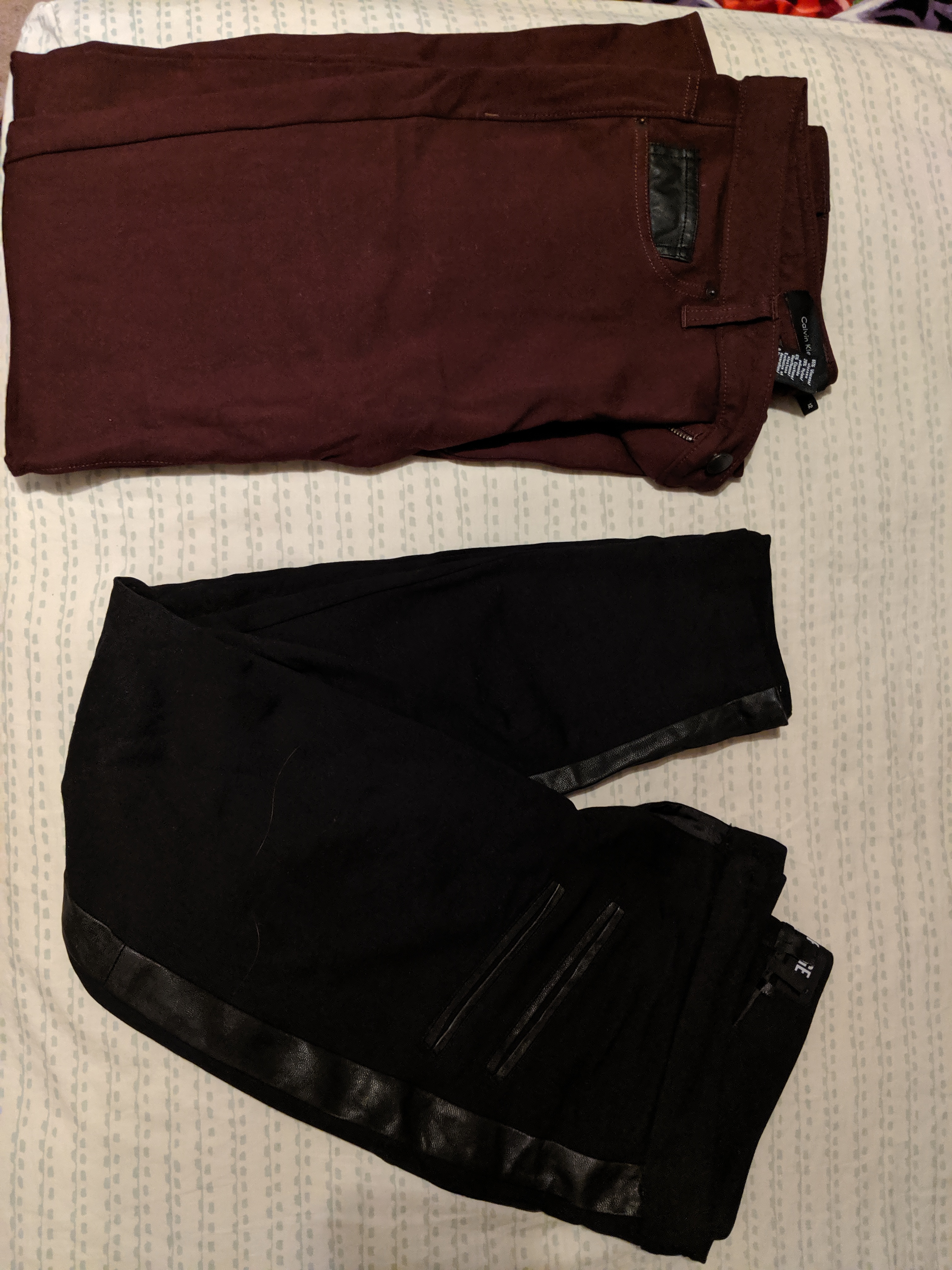
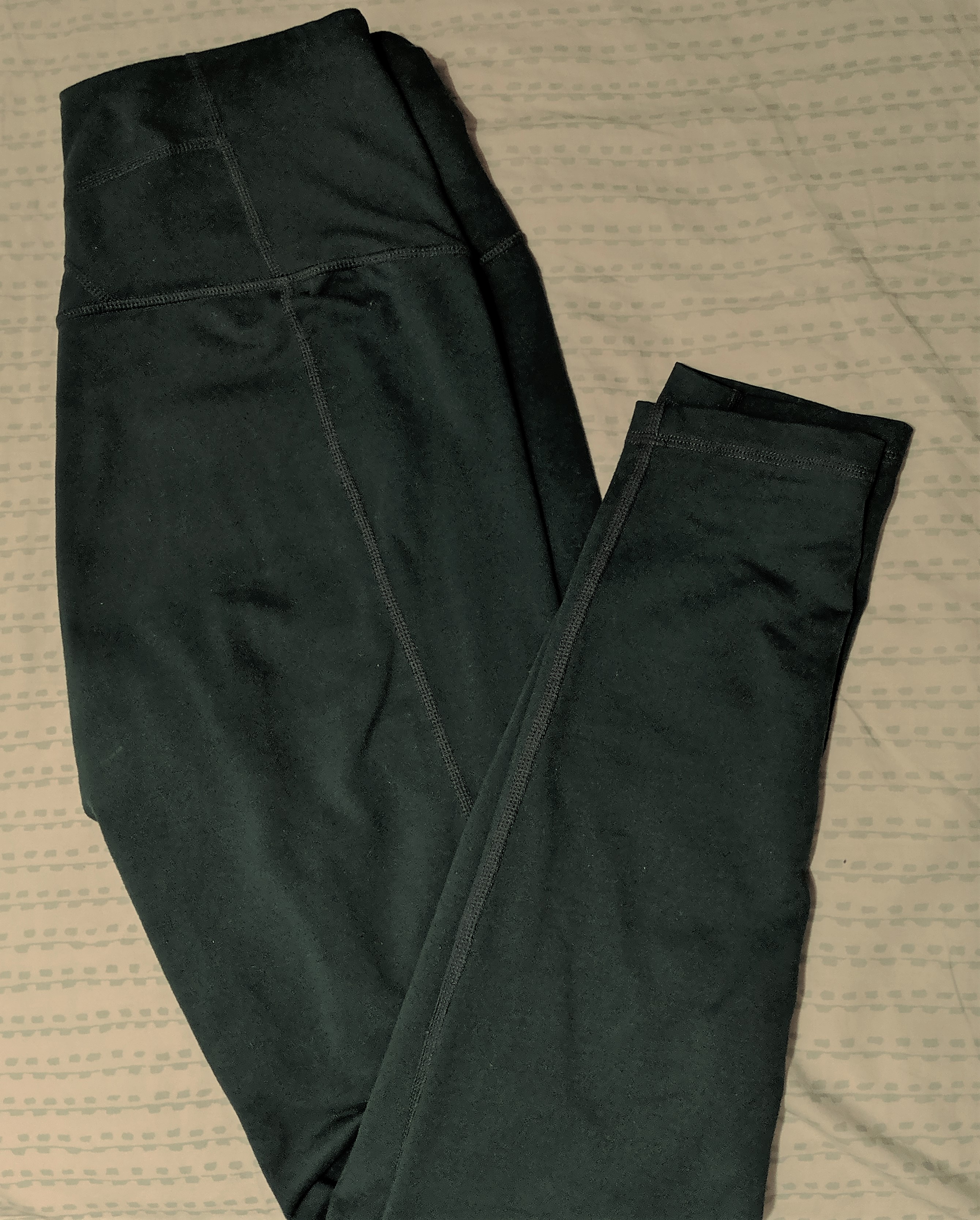
  • dressy jeggings: the fit and comfort of leggings but with elements that elevate the style to create clean, classic lines. See my current faves below. Remember: check the fit in a mirror, and make sure the fabric is thick enough even when bent over, to act as pants.
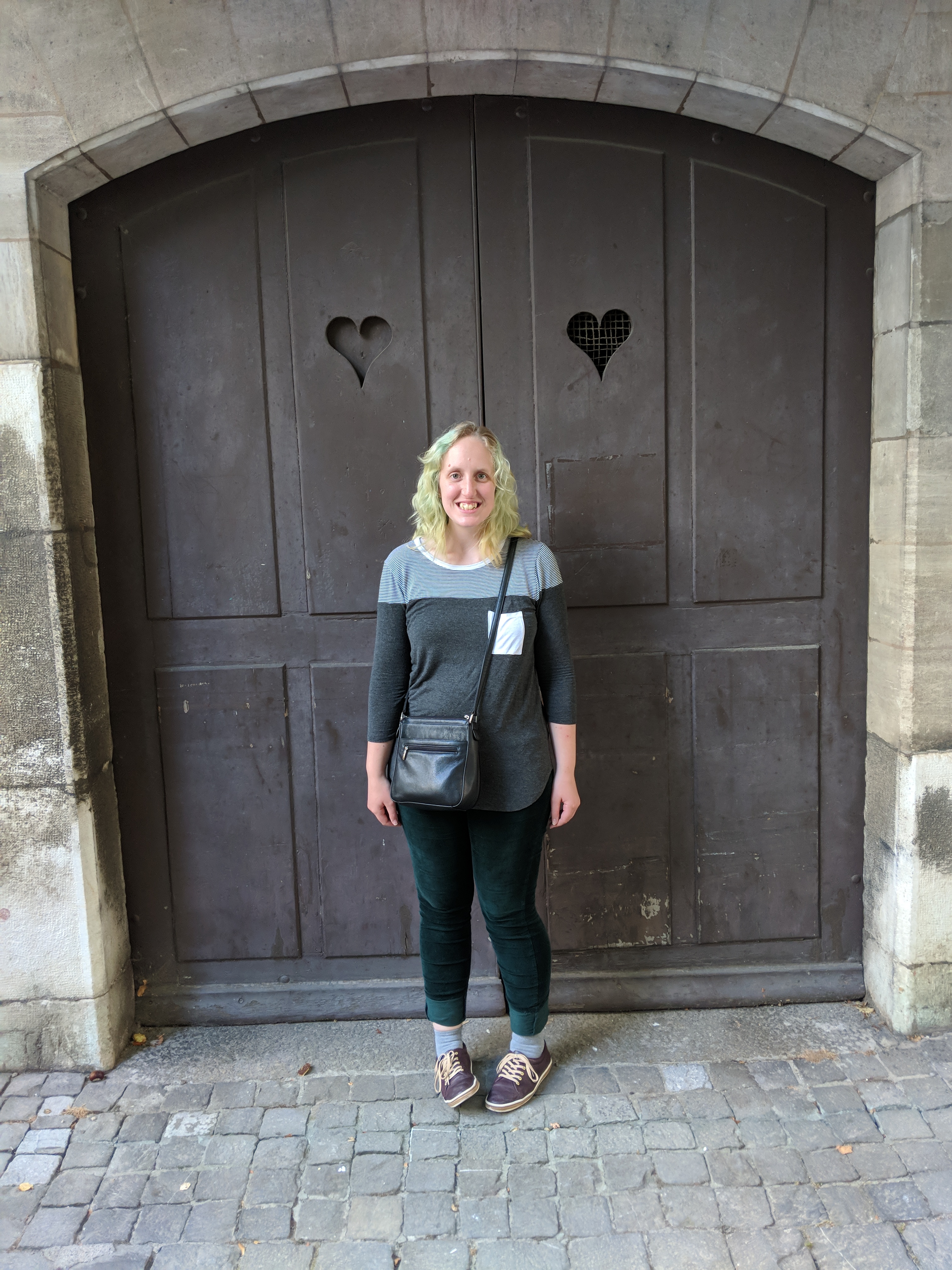
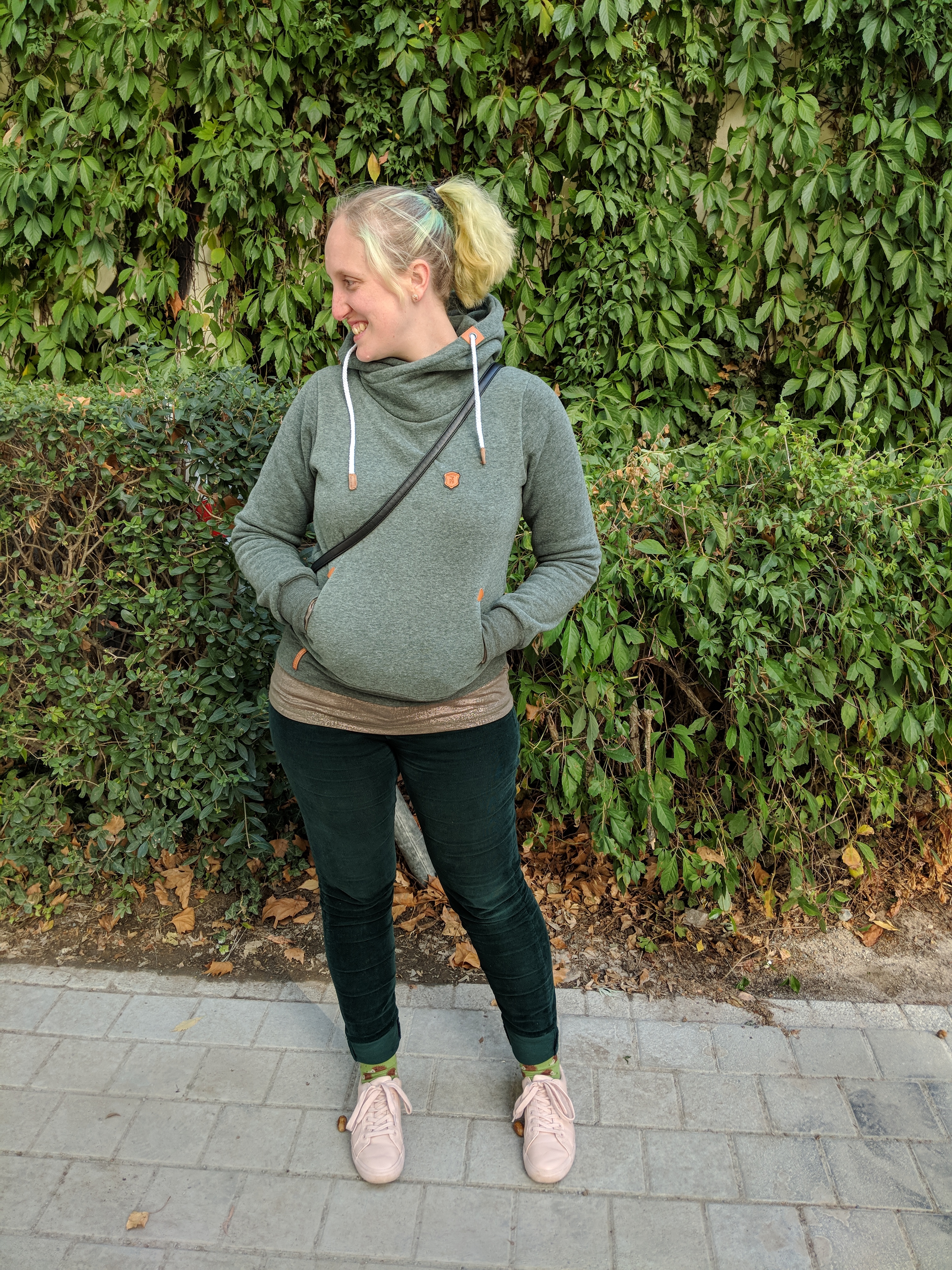
  • corduroy pants: these always look nice and pair well with both a sweatshirt/t-shirt for a casual look, or a button down/nice sweater for something more dressy. I love these from Kut from the Kloth (my pair pictured below).
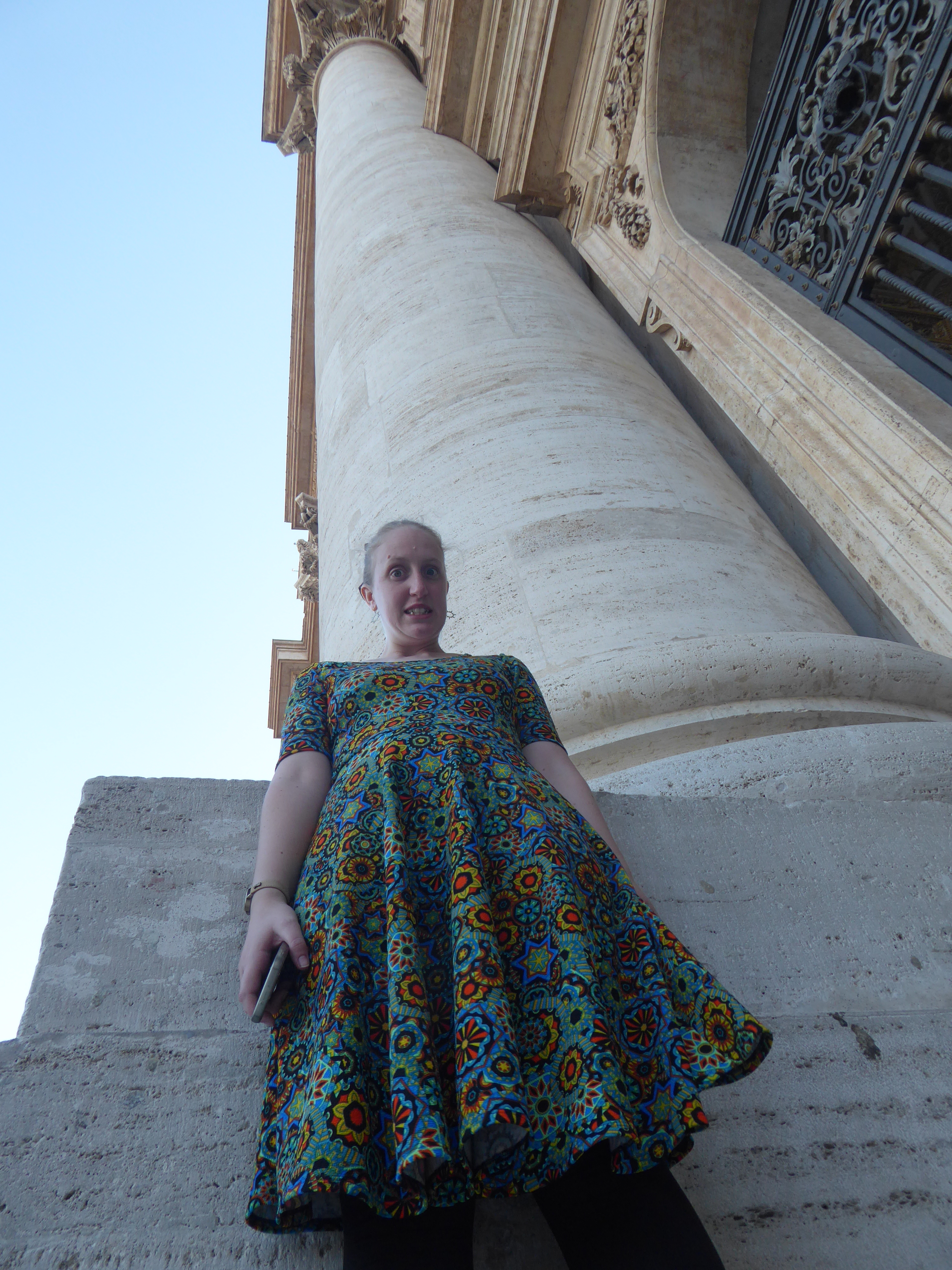
  • a versatile dress: your goal here is something comfortable and nice that can be layered to change the look or elevated with accessories. Below are the ones I love to pack.

Easy Layers

I live for a good hoodie, sweater, hat, or scarf – especially since most of our travelling happens during transitional seasons like Spring or Fall.

You will most likely not want to stop at your hotel all the time. So, to keep things moving, I find fun layers that are easy to remove and carry, like this green hoodie or this thin scarf which both work well with my color schemes and are warm layers that pack small or tie around my waist.

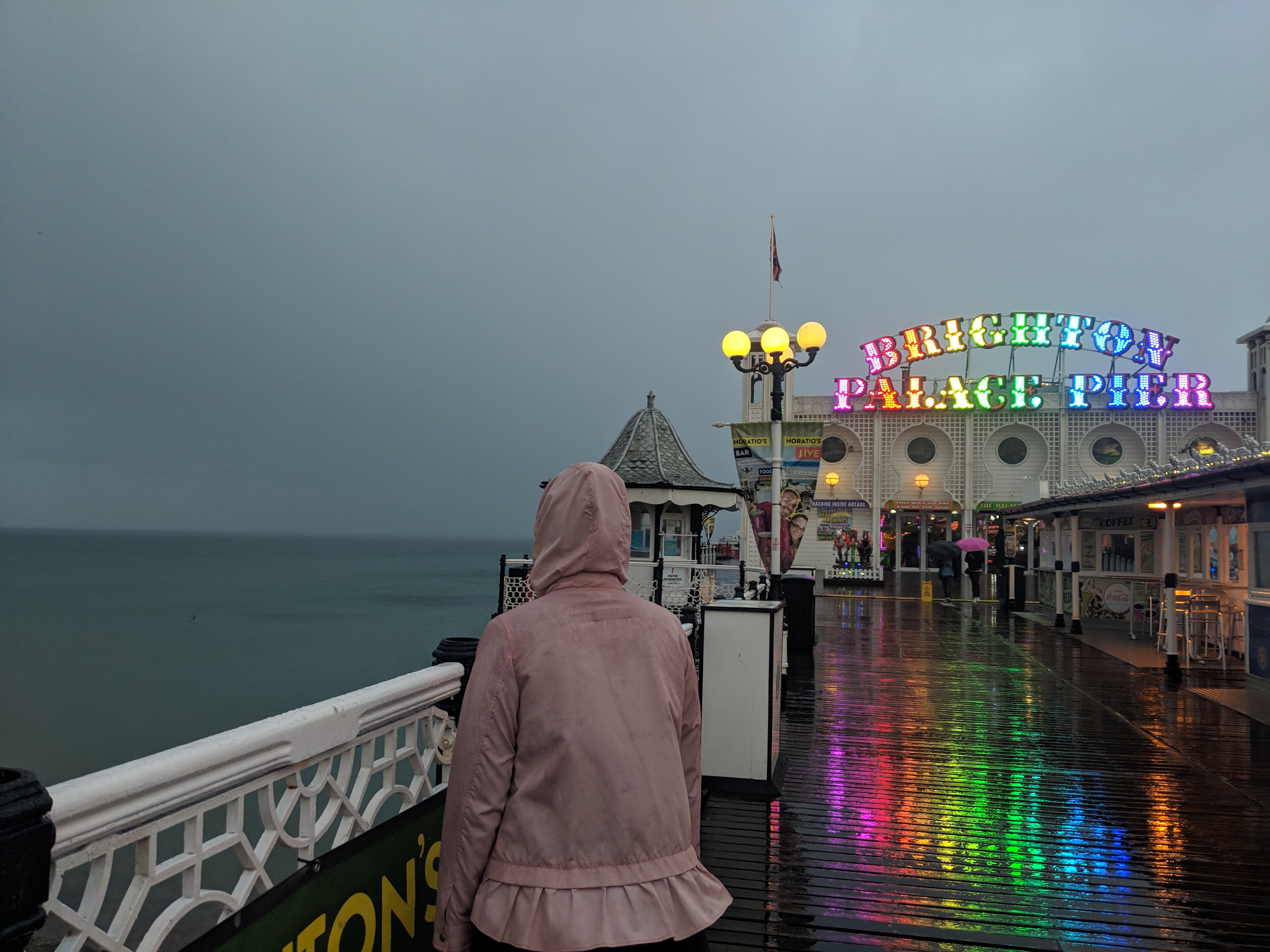
I also habitually pack a thin raincoat that rolls up small but provides an easy protective layer in case of rain. The pink one bellow from Forever 21 fits nicely into a larger purse or ties around the waist.

Also, for colder seasons I find that a knit hat or beanie that’s plain and in a good classy color looks chic and keeps you warm!

Bring Your Favorites

Have a favorite pair of jeans or a sweater you wear all the time? Chances are there are good reasons; often this means they fit well, look good, and are comfortable. Bringing your favorites also helps stall the 10th day slog of a long trip where you have already worn everything and don’t really feel like wearing them again. If it’s a favorite piece, then it will still be easy to wear.

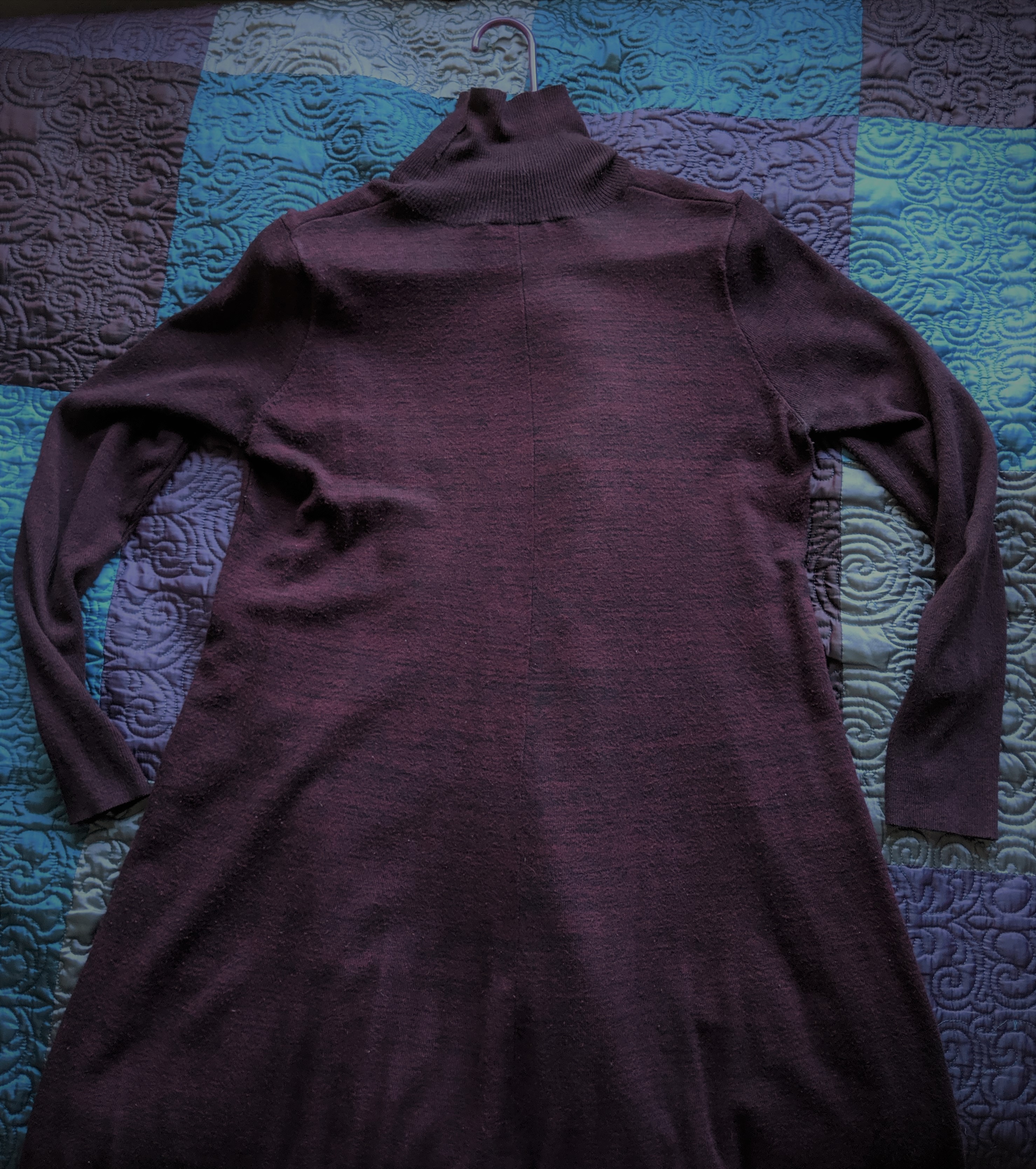
My favorites are these Zella Live-In Leggings (tip: these typically go on half off sales at Nordstrom which makes them much more affordable) and a swing turtleneck sweater dress.

Finally – Pair Up to Pare Down

If you are looking at a huge pile of things that definitely won’t fit into your backpack – you’re not alone! The best way to pare down the pile is to create outfits. You don’t have to make an outfit for every single day, but strive for at least four or five to make sure you have enough diversity.

If an item doesn’t fit into those four/five outfits, then it doesn’t get packed. This helps me get rid of items even if they are something I love, and helps me work through the barrage of “what if” questions that inevitably occur while packing for a longer vacation.

Think these tips will help you pack for your next vacation? Have any hot tips of your own? Feel free to comment below.